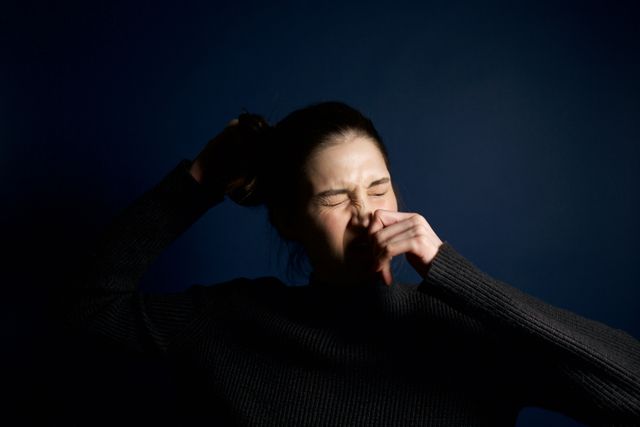
Severe seasonal allergies in NYC can cause persistent nasal congestion, sneezing, itchy eyes, sinus pressure, and breathing difficulties that interfere with work, sleep, and everyday activities. For many New Yorkers, allergy symptoms extend far beyond the traditional spring allergy season, with tree pollen, grass pollen, ragweed, and mold spores triggering reactions throughout much of the year. When over-the-counter medications fail to provide adequate relief, advanced allergy testing and immunotherapy may offer more effective long-term management.

New York City’s combination of seasonal pollen, urban pollution, and indoor allergens can make allergic symptoms especially frustrating. While environmental irritants do not necessarily cause allergies themselves, they can aggravate nasal inflammation and worsen existing symptoms. An experienced ENT specialist can help determine whether persistent congestion and sinus problems are related to allergies, chronic sinusitis, nasal polyps, or another underlying condition.
Dr. Michael Burnett at Ear, Nose & Throat of New York provides comprehensive evaluations for nasal and sinus conditions, helping patients understand their symptoms and explore appropriate treatment options.
Understanding Seasonal Allergies in New York City
Seasonal allergies, medically known as seasonal allergic rhinitis, occur when the immune system reacts to normally harmless airborne substances such as pollen or mold spores. When these allergens enter the nose or eyes, the immune system releases histamine and other inflammatory chemicals that produce familiar allergy symptoms.
Unlike a common cold, seasonal allergies are not caused by viruses and are not contagious. Symptoms may continue for weeks or months, particularly when exposure to an allergen remains high.
In the New York metropolitan area, different allergens become more prevalent during different seasons.
Spring Tree Pollen Allergies
Spring is a particularly challenging season for people sensitive to tree pollen. Oak, birch, maple, and other trees release pollen that can travel considerable distances through the air.
Patients may experience frequent sneezing, watery eyes, nasal congestion, and postnasal drip during periods of elevated pollen counts.
Summer Grass Pollen Allergies
Grass pollen commonly becomes more prominent during late spring and summer. Even patients who spend most of their time indoors may experience symptoms because pollen can enter buildings through open windows, clothing, and ventilation systems.
Fall Ragweed and Mold Allergies
Ragweed pollen is a major seasonal allergy trigger in the northeastern United States. Symptoms often begin in late summer and continue through the fall.
Outdoor mold spores can also contribute to allergic reactions, particularly during damp weather and when fallen leaves accumulate.

Common Symptoms of Severe Seasonal Allergies
Seasonal allergy symptoms can range from mild irritation to persistent inflammation that significantly affects daily functioning.
Common symptoms include:
- Frequent sneezing and persistent runny nose
- Chronic nasal congestion and difficulty breathing through the nose
- Itchy, watery, or irritated eyes
- Postnasal drip and frequent throat clearing
- Sinus pressure and facial discomfort
- Persistent coughing associated with postnasal drainage
- Disrupted sleep and daytime fatigue
- Reduced sense of smell during periods of significant congestion
Some patients also experience worsening asthma symptoms during allergy season. Individuals with wheezing, chest tightness, or shortness of breath should receive appropriate medical evaluation, particularly if they have a history of asthma.
When Should You See an ENT Specialist for Allergies?
Many patients initially manage seasonal allergies with nonprescription antihistamines and nasal sprays. Although these treatments can be effective, recurring or severe symptoms may require additional evaluation.
An ENT consultation is particularly useful when nasal obstruction persists despite medication, sinus infections occur repeatedly, or symptoms continue outside the expected allergy season.
Patients with chronic facial pressure, reduced sense of smell, or significant difficulty breathing through the nose may have structural or inflammatory conditions that contribute to their symptoms.
An ENT specialist can examine the nasal passages and sinuses to determine whether allergies are the primary problem or whether additional conditions require treatment.
Advanced Allergy Testing Options in NYC
Accurate allergy testing helps identify specific substances responsible for allergic reactions. Understanding these triggers can guide environmental modifications, medication selection, and decisions about immunotherapy.
Skin Prick Allergy Testing
Skin prick testing is one of the most commonly used methods for identifying environmental allergies.
During the procedure, small amounts of suspected allergens are introduced into the superficial layers of the skin. A localized raised bump may develop when the patient is sensitized to a particular substance.
Results are generally available during the same appointment.
Skin testing may evaluate reactions to tree pollen, grasses, weeds, dust mites, animal dander, and certain molds.
A positive result must be interpreted alongside the patient’s symptoms and exposure history because sensitization does not always indicate a clinically significant allergy.
Blood Testing for Specific IgE Antibodies
Blood tests can measure allergen-specific immunoglobulin E, or IgE, antibodies.
These tests may be useful for patients who cannot temporarily discontinue certain medications, have extensive skin conditions, or are otherwise unsuitable for skin testing.
Blood testing can identify sensitization to particular allergens, although results must also be interpreted in the context of the patient’s medical history.
Nasal Endoscopy and Sinus Evaluation
For patients with severe congestion or recurring sinus infections, an ENT specialist may recommend nasal endoscopy.
This examination uses a small camera to visualize the nasal passages and identify conditions such as nasal polyps, significant inflammation, or anatomical obstruction.
Nasal endoscopy does not diagnose allergies directly, but it can reveal other causes of symptoms that resemble allergic rhinitis.
Advanced Treatments for Severe Seasonal Allergies
The best treatment depends on the severity of symptoms, the allergens involved, and the patient’s response to previous medications.
Prescription Nasal Corticosteroids
Intranasal corticosteroid sprays are among the most effective medications for persistent allergic rhinitis.
They reduce inflammation within the nasal passages and can improve congestion, sneezing, itching, and nasal drainage.
These medications generally work best when used consistently and with proper spraying technique.
Antihistamines and Combination Nasal Sprays
Second-generation oral antihistamines can help control sneezing, itching, and runny nose with less sedation than many older medications.
Prescription antihistamine nasal sprays may provide additional relief, particularly for patients with troublesome nasal symptoms.
For some individuals, combination sprays containing both an antihistamine and a corticosteroid can be more effective than either medication alone.
Saline Nasal Irrigation
Saline nasal rinses help remove mucus, pollen, and other irritants from the nasal passages.
Regular irrigation may improve congestion and complement prescription allergy treatments.
Patients should use distilled, sterile, or previously boiled and cooled water when preparing nasal irrigation solutions.
Allergy Immunotherapy: A Long-Term Treatment Option
Allergy immunotherapy is an advanced treatment designed to gradually reduce the immune system’s sensitivity to specific allergens.
Unlike medications that primarily control symptoms, immunotherapy targets the underlying allergic response.
It may be recommended for patients with persistent allergic rhinitis who do not achieve adequate relief from medications and environmental controls, or who prefer a longer-term treatment strategy.
Allergy Shots (Subcutaneous Immunotherapy)
Allergy shots involve injections containing carefully measured amounts of allergens identified through testing.
Treatment generally begins with a buildup phase during which doses are gradually increased. Once a maintenance dose is reached, injections are typically administered less frequently.
A full treatment course often lasts three to five years.
Allergy shots can reduce symptoms and medication requirements for many patients with pollen, dust mite, and certain other environmental allergies.
Because allergic reactions can occasionally be severe, injections must be administered in an appropriate medical setting with monitoring afterward.
Sublingual Immunotherapy (SLIT)
Sublingual immunotherapy delivers allergens under the tongue rather than through injections.
In the United States, FDA-approved sublingual tablets are available for certain grass, ragweed, and dust mite allergies.
The first dose is generally administered under medical supervision, with subsequent doses taken at home according to the prescribed treatment plan.
Sublingual immunotherapy is not appropriate for every patient or every type of allergy. An allergy specialist can determine whether an approved treatment matches the patient’s specific sensitivities.
Who Is a Good Candidate for Allergy Immunotherapy?
Immunotherapy may be especially beneficial for patients who experience significant symptoms despite appropriate medication use or who have predictable seasonal reactions that interfere with daily life.
Before recommending treatment, the physician considers allergy test results, symptom history, medication response, and relevant medical conditions.
Patients with poorly controlled asthma or certain other health concerns may require additional evaluation before beginning immunotherapy.
Treatment also requires a long-term commitment. Although many patients experience meaningful improvement, results vary, and immunotherapy does not guarantee that allergies will disappear completely.
Can Seasonal Allergies Cause Chronic Sinusitis?
Seasonal allergies and chronic sinusitis frequently produce overlapping symptoms, including congestion, postnasal drip, and facial pressure.
Allergic inflammation can contribute to swelling within the nasal passages and may aggravate existing sinus problems. However, chronic sinusitis is a separate condition that can involve persistent inflammation, nasal polyps, or impaired sinus drainage.
Patients who experience symptoms for 12 weeks or longer may require additional evaluation to determine whether chronic rhinosinusitis is present.
Treating allergies can improve nasal comfort, but patients with significant structural abnormalities or chronic sinus disease may need additional medical or surgical treatment.
Reducing Seasonal Allergy Symptoms in NYC
Although avoiding pollen completely is difficult, practical environmental changes can help reduce exposure during peak allergy seasons.
Helpful strategies include:
- Monitoring local pollen forecasts and limiting prolonged outdoor exposure during high-pollen periods
- Keeping windows closed when pollen counts are elevated
- Showering and changing clothing after spending extended periods outdoors
- Using appropriate air filtration and regularly replacing HVAC filters
- Cleaning bedding and indoor surfaces to reduce accumulated allergens
- Following prescribed allergy medications consistently during the relevant season
Patients who experience symptoms every spring or fall may benefit from starting recommended medications before their usual allergy season begins.
Severe Seasonal Allergy Evaluation in Manhattan, NYC
Persistent allergies can affect much more than nasal comfort. Interrupted sleep, daytime fatigue, difficulty concentrating, and recurring sinus symptoms can interfere with professional responsibilities and personal activities.
For patients throughout Manhattan and the surrounding New York metropolitan area, identifying the underlying cause of persistent symptoms is an important first step toward effective treatment.
Dr. Michael Burnett at Ear, Nose & Throat of New York evaluates nasal congestion, sinus inflammation, and other ENT conditions that may contribute to allergy-like symptoms. When specialized allergy testing or immunotherapy is appropriate, coordinated care with an allergy specialist can help patients explore additional treatment options.
An individualized approach can help distinguish seasonal allergic rhinitis from chronic sinusitis, nasal polyps, and other conditions that require different forms of treatment.
If severe seasonal allergies are affecting your breathing, sleep, or quality of life, contact Ear, Nose & Throat of New York to schedule a consultation with Dr. Michael Burnett. A comprehensive ENT evaluation can help identify contributing nasal and sinus conditions and guide you toward appropriate medical treatment, allergy management, or specialist testing to achieve better long-term symptom control.
Ear, Nose & Throat of New York
Michael C. Burnett, MD
115 East 57th Street Suite 600 New York, NY 10022
212-867-4813
https://earnosethroatofnewyork.com/contact/