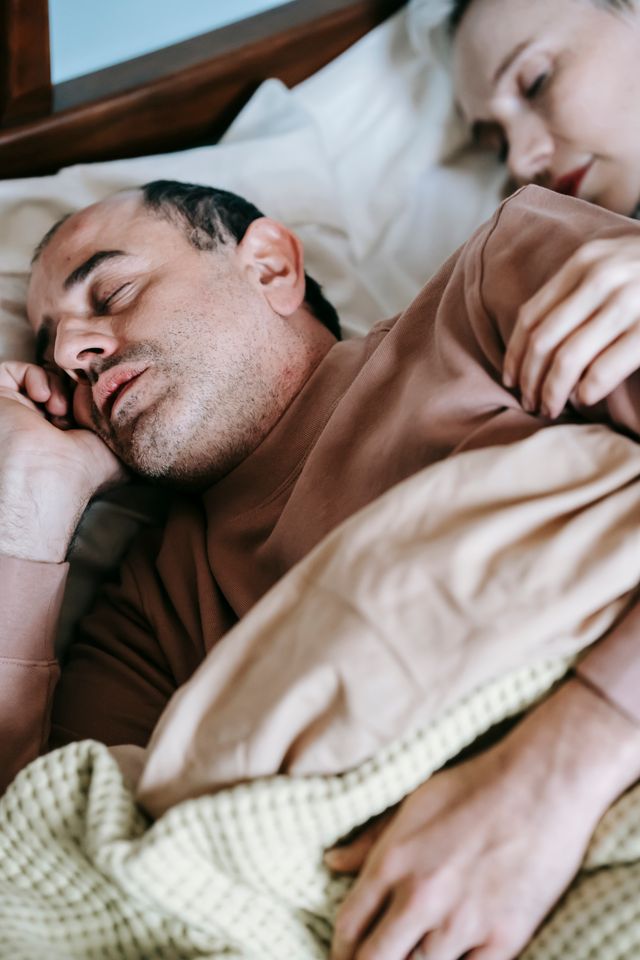
 NYC sleep apnea specialists provide essential diagnosis and treatment options for patients struggling with chronic snoring, obstructive sleep apnea, and other sleep-related breathing disorders. While occasional snoring may seem harmless, persistent loud snoring, interrupted breathing, and excessive daytime fatigue can indicate a more serious medical condition. Obstructive sleep apnea (OSA) affects millions of adults and can significantly impact cardiovascular health, sleep quality, and overall well-being when left untreated.
For New York City residents experiencing sleep disturbances, consulting an experienced Ear, Nose & Throat (ENT) specialist can help identify structural airway problems and determine the most appropriate treatment. Dr. Michael Burnett and the team at Ear, Nose & Throat of New York provide comprehensive evaluations and personalized treatment recommendations for patients dealing with snoring, nasal obstruction, and sleep apnea.
What Is Obstructive Sleep Apnea?
Obstructive sleep apnea is a sleep disorder characterized by repeated episodes of partial or complete upper airway blockage during sleep. These interruptions occur when the muscles supporting the throat relax, allowing surrounding tissues to narrow or collapse into the airway.
During an apnea episode, breathing may temporarily stop, causing oxygen levels to decrease and the brain to briefly awaken the body to restore normal breathing. These interruptions can happen repeatedly throughout the night, preventing patients from reaching the restorative stages of sleep.
Although snoring is one of the most recognizable symptoms of obstructive sleep apnea, not everyone who snores has the condition. A professional evaluation and sleep study are necessary to determine whether sleep apnea is present.
Common Symptoms of Sleep Apnea and Chronic Snoring
Many patients remain unaware that they have sleep apnea because the most noticeable symptoms occur while they are sleeping. Often, a spouse or partner is the first to recognize abnormal breathing patterns.
Common warning signs include:
- Loud, persistent snoring that occurs most nights
- Pauses in breathing observed by a sleeping partner
- Gasping, choking, or snorting during sleep
- Excessive daytime sleepiness or fatigue
- Morning headaches and dry mouth
- Difficulty concentrating or remembering information
- Frequent nighttime awakenings
- Irritability and mood changes
- Waking up feeling tired despite a full night’s sleep
Patients experiencing these symptoms should consider scheduling an evaluation with an NYC ENT specialist or sleep medicine physician. Early diagnosis can help prevent complications and improve long-term health.
What Causes Obstructive Sleep Apnea?
Several anatomical and lifestyle factors can contribute to airway obstruction during sleep. Understanding these underlying causes is important when developing an effective treatment plan.
Enlarged Tonsils and Adenoids
Enlarged tonsils or adenoids can narrow the upper airway, making breathing more difficult during sleep. This is particularly common in children but can also affect adults.
Deviated Septum and Nasal Obstruction
A deviated nasal septum, enlarged turbinates, nasal polyps, or chronic nasal congestion can restrict airflow through the nose. Although nasal obstruction is not always the primary cause of sleep apnea, it can contribute to snoring and make certain treatments less comfortable.
Excess Weight and Airway Anatomy
Excess tissue surrounding the upper airway can increase the likelihood of airway collapse during sleep. Other anatomical factors, including jaw position, tongue size, and the structure of the soft palate, may also contribute.
Age and Family History
The risk of obstructive sleep apnea increases with age, and individuals with a family history of the condition may be more likely to develop it.
How NYC ENT Specialists Diagnose Sleep Apnea
An ENT specialist plays an important role in evaluating the nose, throat, and upper airway to identify potential causes of sleep-disordered breathing.
During an initial consultation, the doctor will review the patient’s symptoms, medical history, sleeping habits, and any previous treatments.
Physical Examination and Airway Evaluation
A comprehensive examination may identify enlarged tonsils, nasal obstruction, structural abnormalities, or other conditions affecting airflow.
Nasal Endoscopy
When appropriate, a small flexible endoscope may be used to examine the nasal passages and upper airway. This procedure helps identify anatomical issues that may contribute to breathing difficulties.
Home Sleep Apnea Testing
For certain adults with suspected obstructive sleep apnea, a home sleep apnea test may be recommended. These devices monitor breathing patterns, oxygen levels, and other measurements while the patient sleeps.
Overnight Sleep Study
An in-laboratory sleep study, also called polysomnography, provides a detailed assessment of breathing, oxygen levels, brain activity, and sleep patterns. It is particularly useful when the diagnosis is uncertain or additional sleep disorders are suspected.
The results help determine the severity of sleep apnea and guide treatment recommendations.
Best Treatment Options for Obstructive Sleep Apnea in NYC
Modern sleep apnea treatment includes several non-surgical and surgical approaches. The most appropriate option depends on the severity of the condition, the patient’s anatomy, medical history, and personal preferences.
1. CPAP Therapy
Continuous Positive Airway Pressure (CPAP) therapy is one of the most effective and widely recommended treatments for obstructive sleep apnea.
A CPAP machine delivers a steady stream of pressurized air through a mask, helping prevent the upper airway from collapsing during sleep.
Many patients experience improved sleep quality, reduced snoring, and less daytime fatigue with consistent CPAP use.
2. Oral Appliance Therapy
Custom-fitted oral appliances can help reposition the lower jaw and tongue to maintain a more open airway during sleep.
These devices may be appropriate for certain patients with mild to moderate obstructive sleep apnea or those who cannot tolerate CPAP therapy. They are generally fitted by qualified dental sleep medicine providers.
3. Nasal Obstruction Treatment
Patients with chronic nasal congestion, a deviated septum, or enlarged turbinates may benefit from treatments designed to improve nasal airflow.
Depending on the underlying condition, options may include:
- Prescription nasal corticosteroid sprays
- Allergy management and treatment
- Septoplasty to correct a deviated septum
- Turbinate reduction procedures
- Treatment of nasal polyps or chronic sinusitis
Improving nasal breathing can reduce certain snoring symptoms and may improve tolerance of CPAP therapy. However, nasal procedures alone generally do not cure obstructive sleep apnea.
4. Lifestyle and Sleep Position Changes
For some patients, lifestyle modifications can reduce the severity of sleep apnea and improve sleep quality.
Recommended changes may include:
- Maintaining a healthy body weight
- Avoiding alcohol close to bedtime
- Sleeping on the side rather than the back
- Maintaining a consistent sleep schedule
- Avoiding smoking
These strategies may complement medical treatment but should not replace prescribed therapy for clinically significant sleep apnea.
5. Surgical Treatment for Sleep Apnea
When conservative treatments are unsuccessful or specific anatomical abnormalities are present, surgery may be considered.
Potential surgical procedures include:
- Tonsillectomy: Removal of enlarged tonsils contributing to airway obstruction.
- Uvulopalatopharyngoplasty (UPPP): Surgery to modify excess tissue in the soft palate and throat.
- Septoplasty: Correction of a deviated septum to improve nasal breathing.
- Hypoglossal nerve stimulation: An implanted device that helps maintain airway openness in appropriately selected patients.
Surgical treatment requires careful patient selection, and results vary depending on the procedure and the underlying causes of airway obstruction.
Health Risks of Untreated Sleep Apnea
Obstructive sleep apnea is more than a nighttime breathing problem. Repeated oxygen fluctuations and disrupted sleep can contribute to several significant health concerns.
Untreated sleep apnea is associated with:
- High blood pressure
- Increased cardiovascular disease risk
- Heart rhythm abnormalities
- Stroke
- Type 2 diabetes and metabolic problems
- Difficulty concentrating and memory problems
- Increased risk of accidents caused by daytime sleepiness
Patients who experience persistent fatigue or suspected breathing interruptions should not ignore these symptoms. Appropriate treatment can improve daytime functioning and reduce certain health risks.
When Should You See an ENT Doctor for Snoring?
Not every patient who snores has obstructive sleep apnea. However, persistent snoring deserves attention when it affects sleep quality or occurs alongside other symptoms.
An ENT evaluation is especially helpful when snoring is accompanied by chronic nasal congestion, difficulty breathing through the nose, enlarged tonsils, or suspected anatomical airway obstruction.
Patients who struggle with CPAP therapy may also benefit from an ENT examination to determine whether nasal or throat conditions are contributing to treatment difficulties.
For New Yorkers with demanding work schedules and busy lifestyles, improving sleep quality can make a meaningful difference in energy, concentration, and everyday productivity.
Sleep Apnea and Snoring Treatment in Manhattan, NYC
Finding the right sleep apnea specialist in New York City begins with understanding the cause of your breathing difficulties. Because obstructive sleep apnea can involve several areas of the upper airway, an ENT evaluation can be an important part of comprehensive diagnosis and treatment.
Dr. Michael Burnett and the ENT professionals at Ear, Nose & Throat of New York provide individualized evaluations for snoring, nasal obstruction, and other ear, nose, and throat conditions that may affect breathing during sleep.
By identifying contributing anatomical problems and coordinating appropriate diagnostic testing and treatment, patients can take meaningful steps toward better breathing and more restful sleep.
Schedule an ENT Consultation for Snoring and Sleep Apnea in NYC
If you or your partner experiences chronic snoring, interrupted breathing during sleep, or persistent daytime fatigue, professional evaluation can help identify the underlying cause and determine the most effective treatment options.
Dr. Michael Burnett and the team at Ear, Nose & Throat of New York offer comprehensive ENT care for patients throughout Manhattan, New York City, and the surrounding tri-state area. Whether you need an evaluation for nasal obstruction, chronic snoring, or possible obstructive sleep apnea, personalized medical care can help you take the next step toward better sleep and improved respiratory health.
Contact Ear, Nose & Throat of New York today to schedule a consultation with Dr. Michael Burnett and explore your options for improving nighttime breathing and sleep quality.
Ear, Nose & Throat of New York
Dr. Michael Burnett
115 East 57th Street
Suite 600
New York, NY 10022
212-867-4813
https://earnosethroatofnewyork.com/