• best-ent-doctor-nyc
  • best-ear-nose-throat-doctor-nyc
  • best-ear-doctor-nyc
  • best-nose-doctor-nyc
  • best-throat-doctor-nyc

Dr. Michael Burnett Specializes in Problems of the Ear, Nose, Sinuses and Throat.

An ear, nose and throat specialist (ENT) is a physician trained in the medical and surgical treatment of the ears, nose, throat, and related structures of the head and neck. They have special expertise in managing diseases of the ears, nose and nasal passage sinuses, larynx (voice box), oral cavity and upper pharynx (mouth and throat), as well as structures of the neck and face. ENT is the oldest medical specialty in the United States.

MIDTOWN EAST / UPPER EAST SIDE LOCATION
PLEASE CALL FOR SAME DAY AND URGENT APPOINTMENTS
NOT ALL AVAILABLE APPOINTMENTS ARE LISTED ON ZOCDOC

212-867-4813


Category Archives: Nasal Polyps

Managing Nasal Polyps: When NYC Patients Should Consider Surgery

Managing Nasal Polyps- When NYC Patients Should Consider SurgeryManaging nasal polyps is an important part of maintaining healthy breathing, preventing chronic sinus infections, and improving overall quality of life. Nasal polyps are soft, noncancerous growths that develop in the lining of the nasal passages and sinuses as a result of chronic inflammation. While some polyps remain small and cause few symptoms, larger polyps or multiple growths can significantly block airflow, impair the sense of smell, and contribute to recurring sinus problems.

For many New York City residents, environmental allergens, pollution, chronic sinusitis, and asthma can increase the risk of developing nasal polyps. While medications are often the first line of treatment, surgery may become necessary when symptoms persist despite medical management. Understanding when surgery is appropriate can help patients make informed decisions about their ENT care.

What Are Nasal Polyps?

Nasal polyps are painless, benign growths that form in the mucous membranes of the nose and sinuses. They are commonly associated with chronic inflammation and can develop in individuals who suffer from:

  • Chronic sinusitis
  • Seasonal or year-round allergies
  • Asthma
  • Aspirin sensitivity
  • Immune system disorders

Small polyps may not cause noticeable symptoms, but larger polyps can obstruct normal airflow and sinus drainage.

Common Symptoms of Nasal Polyps

Many patients initially mistake nasal polyps for allergies or recurring sinus infections because the symptoms are similar. Common symptoms include:

  • Persistent nasal congestion
  • Difficulty breathing through the nose
  • Postnasal drip
  • Facial pressure or fullness
  • Reduced or complete loss of smell
  • Frequent sinus infections
  • Snoring or sleep disturbances
  • Headaches related to sinus pressure

These symptoms often worsen over time as polyps continue to grow.

How Nasal Polyps Are Diagnosed

An ENT specialist such as Dr. Michael Burnett can diagnose nasal polyps through a comprehensive examination of the nasal passages and sinuses.

Diagnostic methods may include:

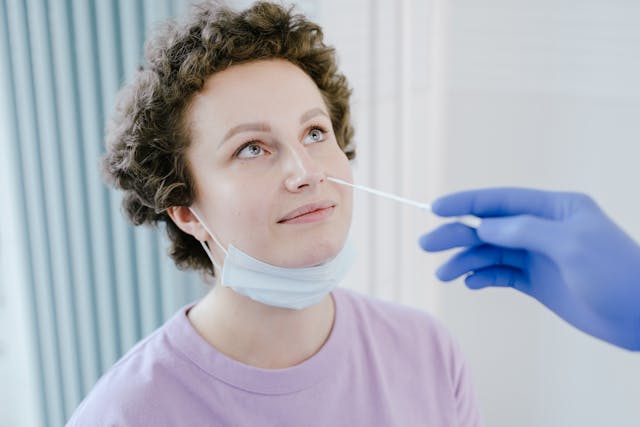
  • Nasal endoscopy: A thin, flexible camera is inserted into the nose to visualize the nasal cavity and sinuses.
  • CT scans: Imaging helps determine the size and location of polyps and evaluates sinus anatomy.
  • Allergy testing: Identifies potential allergic triggers contributing to chronic inflammation.

A thorough evaluation allows the ENT specialist to determine the most appropriate treatment plan.

Non-Surgical Treatment Options

Most patients begin treatment with medications aimed at reducing inflammation and shrinking the polyps.

Common treatments include:

  • Nasal corticosteroid sprays: Help reduce inflammation and improve airflow.
  • Oral corticosteroids: May be prescribed for larger polyps or severe symptoms.
  • Saline nasal rinses: Help flush mucus and irritants from the nasal passages.
  • Allergy medications: Useful when allergies contribute to chronic inflammation.
  • Biologic therapies: Newer injectable medications can help certain patients with severe nasal polyps.

Many patients experience symptom improvement with these treatments. However, medications do not always eliminate polyps completely.

When Should Surgery Be Considered?

Surgery may be recommended when nasal polyps continue to cause significant symptoms despite medical treatment.

You may be a candidate for surgery if:

  • You continue to experience chronic nasal obstruction despite medication.
  • You have recurrent sinus infections.
  • You have significant loss of smell or taste.
  • Your polyps are causing sleep disturbances or breathing difficulties.
  • CT imaging shows extensive blockage of the sinuses.
  • Medical therapy has failed to provide long-term relief.

For many patients, surgery provides substantial improvement in breathing and sinus function.

What Is Endoscopic Sinus Surgery?

The most common surgical treatment for nasal polyps is endoscopic sinus surgery. This minimally invasive procedure uses specialized instruments and a small camera inserted through the nostrils to remove polyps and open blocked sinus passages.

Benefits of endoscopic sinus surgery include:

  • No external incisions
  • Improved nasal airflow
  • Better sinus drainage
  • Reduced frequency of sinus infections
  • Restoration of smell and taste in many patients

The procedure is typically performed on an outpatient basis, allowing patients to return home the same day.

Recovery After Nasal Polyp Surgery

Recovery is generally well tolerated, and most patients can resume normal activities within several days to a week.

Postoperative care may include:

  • Saline nasal rinses
  • Nasal steroid sprays
  • Follow-up appointments for cleaning and monitoring
  • Continued allergy management when appropriate

Because nasal polyps can recur, ongoing care with an ENT specialist is important for maintaining long-term results.

Preventing Nasal Polyp Recurrence

Although surgery can provide significant relief, managing the underlying inflammation remains essential.

Patients can reduce the risk of recurrence by:

  • Following prescribed medication regimens
  • Managing allergies effectively
  • Avoiding environmental irritants such as cigarette smoke
  • Using saline irrigation regularly
  • Attending routine ENT follow-up visits

A proactive treatment approach often provides the best long-term outcomes.

Expert Nasal Polyp Treatment in NYC

If nasal congestion, chronic sinus infections, or loss of smell are affecting your quality of life, it may be time to consult an ENT specialist. Dr. Michael Burnett and the team at Ear, Nose & Throat of New York provide comprehensive evaluation and advanced treatment options for nasal polyps, including minimally invasive surgical solutions when necessary.

Whether you’re exploring medical therapy or considering surgery, expert care can help you breathe easier and enjoy lasting sinus relief.

Schedule your consultation today:

Ear, Nose & Throat of New York
Michael C. Burnett, MD
115 East 57th Street Suite 600 New York, NY 10022
212-867-4813
https://earnosethroatofnewyork.com/

When to Consider Surgery for Nasal Polyps

When should you consider surgery for nasal polyps? Nasal polyps are soft, noncancerous growths that develop on the lining of your nasal passages or sinuses. Although they are benign, they can cause a variety of uncomfortable symptoms, such as nasal congestion, facial pressure, loss of smell, and sinus infections. In many cases, nasal polyps respond well to medications, but sometimes surgical intervention becomes necessary.

If you’re suffering from chronic sinus problems or nasal blockage, and medications haven’t provided relief, it might be time to consider surgery. Below, we explore when surgery is appropriate and how an experienced ENT specialist like Dr. Michael Burnett in New York City can help you breathe easier and feel better.

When to Consider Surgery for Nasal Polyps

What Are Nasal Polyps?

Nasal polyps are teardrop-shaped growths that arise from inflammation of the mucous membranes in the nose and sinuses. They are most often associated with:

Smaller polyps may not cause noticeable symptoms, but larger or multiple polyps can obstruct nasal passages and sinuses, leading to ongoing discomfort and health problems.

Common Symptoms of Nasal Polyps

  1. Persistent nasal congestion or blockage
  2. Frequent sinus infections
  3. Facial pressure or pain
  4. Loss or reduction of the sense of smell or taste
  5. Postnasal drip
  6. Snoring or sleep disturbances

If you’re experiencing several of these symptoms and they don’t improve with medication, it’s a strong indication that you may need further evaluation.

Initial Treatment Options

In most cases, ENT specialists like Dr. Burnett will first recommend non-surgical treatments, such as:

  • Nasal corticosteroid sprays – To reduce inflammation and shrink polyps.
  • Oral corticosteroids – For more severe inflammation or larger polyps.
  • Antihistamines – If allergies are a contributing factor.
  • Saline rinses – To flush allergens and irritants from the nasal passages.
  • Antibiotics – If a sinus infection is present.

If your polyps return frequently or do not respond to these therapies, your ENT may recommend surgery.

When to Consider Surgery for Nasal Polyps

ENT Treatment for Nasal PolypsYou may be a candidate for nasal polyp removal surgery if:

  • You’ve completed a full course of medication with little or no symptom improvement.
  • Your polyps are causing chronic sinus infections or blockages.
  • You’re experiencing a significant loss of smell or taste.
  • You have frequent headaches or facial pressure due to blocked sinuses.
  • You have a history of recurring polyps despite medication or prior surgery.

What Is Endoscopic Sinus Surgery?

The most common surgical option for nasal polyps is endoscopic sinus surgery, a minimally invasive procedure performed using a thin, flexible tube with a camera (endoscope). During the surgery, your ENT specialist will:

  • Use precision tools to remove polyps and clear blockages
  • Open sinus passages to restore normal drainage
  • Preserve as much healthy tissue as possible

The procedure is typically done under local or general anesthesia and is performed on an outpatient basis, meaning you can return home the same day.

Post-Surgical Care and Recovery

Recovery from nasal polyp surgery is usually quick, with most patients returning to normal activities within a week. Your doctor may prescribe nasal sprays, rinses, and medications to prevent recurrence and support healing. Regular follow-ups are essential to monitor progress and manage any potential regrowth of polyps.

Surgery for Nasal Polyps: Consult with Dr. Michael Burnett for Expert ENT Care in NYC

If you’re struggling with persistent nasal congestion, sinus infections, or a diminished sense of smell, nasal polyps may be to blame. Dr. Michael Burnett, a leading ENT specialist in New York City, offers comprehensive evaluation and personalized treatment plans — including advanced surgical options — to help you find lasting relief.

Contact Ear, Nose & Throat of New York today to schedule your consultation:

Ear, Nose & Throat of New York
Michael C. Burnett, MD
115 East 57th Street Suite 600
New York, NY 10022
📞 212-867-4813
🌐 https://earnosethroatofnewyork.com/
Don’t let nasal polyps keep you from breathing comfortably. Get expert care in the heart of NYC and start your journey toward clearer airways today.

What Is A Nasal Polyp?

What is a nasal polyp? At times you may feel like you have a blocked or dried up nose or like someone’s choking you. Besides, you may be unable to breathe at times. This is usually due to nasal polyps, which are small non-cancerous drops that appear hanging down on the lining of your sinus or nasal passages. There is no age limit when it comes to developing nasal polyps, as anyone is prone to experiencing it. However, this is more common in adults. There are many causes and symptoms of nasal polyps, along with the many treatments. To learn more about nasal polyps, read this article further below.

What is a nasal polyp?
(Source)

How Are Nasal Polyps Caused?

Nasal polyps are like an allergic reaction that occurs inside your nose. Nasal polyps are drops that grow in the nasal mucosa tissue that includes a very wet layer. This wet layer protects all your sinuses and the nose’s internal area from different air that you breathe in. If you experience an allergic reaction in your nose, the mucosa swells up and starts to produce fluids that drip from your nose.

If this reaction becomes worse, the mucosa eventually begins to form a polyp that causes nasal blockage. A few things may trigger nasal polyps, such as asthma, cystic fibrosis, sinus infection, hay fever, and Chrug-Strauss syndrome.

Common Symptoms of Nasal Polyps

Sometimes you may not be aware that you’re suffering from nasal polyps as the symptoms differ from person to person. It depends on how big or small the growth of the polyps are. Nasal polyps that are large tend to block your nasal passages and sinuses, while small polyps are pretty soft, and you can barely see or feel them. There are a few common symptoms of nasal polyps mentioned below:

  • Loss of taste and sense of smell
  • Postnasal drip
  • Migraine
  • Swollen Face
  • Upper gum pain
  • Pressure over the face and forehead (more like a sensation)
  • Snoring
  • Stuffy nose
  • Runny nose
  • Nose bleeding

Treatments Available for Nasal Polyps

There are two treatment options available; one is through medications that your ENT will prescribe to you. As long as you follow the proper course, you should surely recover. If your ENT feels like the situation is worse than expected, and if the symptoms aren’t improving with medications, you may have to undergo surgery. Mentioned below are the two types of treatment options available:

Medications

Medications such as nasal steroids are an acceptable form of treatment to help reduce the polyp’s size, simmering down the symptoms like congestion. Steroids help in reducing symptoms such as runny nose by deteriorating the size of the polyp. You must regularly take them for effective results. Antibiotics are also an acceptable form of medication when it comes to treating allergic reactions in your nose.

If you’re not comfortable taking nasal sprays or are not finding them useful, you can take prednisone, which is an oral injectable steroid. However, prednisone is not very long-lasting and comes with many side-effects.

Surgery

If your symptoms don’t improve with medications’ help, you may have to go for a polypectomy; an outpatient surgery carried out by your ENT. This surgery involves removing the soft tissue mucosa through small suction devices that cut through your nose.

If the polyps are larger than expected, your doctor will conduct an endoscopic sinus surgery that involves using a thin endoscope with a tiny camera and small tools at one end. Through this device, the doctor will remove the polyps by enlarging your sinus cavities.

What are nasal polyps? | ENT Doctor
(Source)

Nasal Polyps Diagnoses

Once you start experiencing the symptoms mentioned above, you will have to visit an ENT specialist to get proper diagnoses. To check if you have nasal polyps, your doctor will use an otoscope to inspect your nasal passages. If the doctor identifies a deep polyp in your sinus, he/she will further conduct an MRI or CT scan to know the polyp’s size and identify its location. Through these scans, the doctor will also be able to identify any other growths that may appear and decide whether you need surgery.

Allergy tests also take place to determine the presence of nasal polyps. These tests involve pricking your skin and deposit liquids to identify types of allergens that may be present.

Final Words

Nasal polyps can get severe if not treated right away and may cause many other complications. If you feel like you or someone you know may be experiencing nasal polyps, you must get in touch with the best ENT specialist. Get in touch with NYC’s top nose, ear, sinuses, and throat specialist Michael Burnett MD. Book your appointment now.

Michael C. Burnett, MD

115 East 57th Street
(Between Park + Lexington Ave.)
Suite 600
New York, NY 10022

212-867-4813