 Hearing loss treatment in New York City offers patients access to modern diagnostic technology, advanced hearing solutions, and specialized ENT care designed to improve hearing and communication. Whether hearing loss develops gradually with age, results from prolonged noise exposure, or occurs suddenly due to an underlying medical condition, early diagnosis and appropriate treatment can make a significant difference in quality of life.
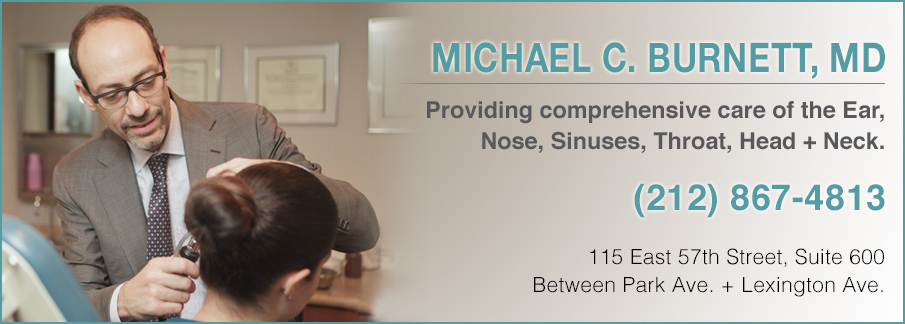
For New Yorkers, hearing health is especially important in a city filled with traffic, construction, public transportation, concerts, and other sources of environmental noise. Dr. Michael Burnett at Ear, Nose & Throat of New York provides comprehensive ear examinations and evaluations to help identify the causes of hearing difficulties and guide patients toward appropriate treatment options.
Understanding Hearing Loss and Its Causes
Hearing loss occurs when sound cannot travel normally through the ear or when the structures responsible for converting sound into electrical signals become damaged. It can affect one or both ears and range from mild difficulty hearing conversations to profound hearing impairment.
There are three primary types of hearing loss.
Conductive Hearing Loss
Conductive hearing loss occurs when sound is prevented from traveling efficiently through the outer or middle ear. Common causes include excessive earwax, fluid behind the eardrum, ear infections, perforated eardrums, and abnormalities involving the small bones of the middle ear.
Depending on the cause, conductive hearing loss may be reversible with medication, professional ear cleaning, or surgical treatment.
Sensorineural Hearing Loss
Sensorineural hearing loss develops when the delicate sensory cells of the inner ear or the auditory nerve become damaged. It is the most common form of permanent hearing loss in adults.
Age-related changes, repeated exposure to loud noise, genetic factors, certain medications, and inner ear disorders can contribute to this condition. Although most sensorineural hearing loss cannot be reversed, modern hearing technology can often improve communication significantly.
Mixed Hearing Loss
Mixed hearing loss involves a combination of conductive and sensorineural hearing problems. Treatment may require addressing an underlying medical condition while also using hearing aids or other assistive technology.
Common Signs You May Need a Hearing Evaluation
Many people do not immediately recognize the early symptoms of hearing loss. Instead, they may gradually adjust their behavior by increasing television volume, avoiding noisy environments, or asking others to repeat themselves.
Common warning signs include:
- Difficulty understanding conversations in restaurants or crowded places
- Frequently asking people to repeat themselves
- Turning up the television or phone volume
- Trouble hearing high-pitched sounds or certain voices
- Ringing, buzzing, or humming in the ears
- Feeling that other people are mumbling
- Difficulty following telephone conversations
- Withdrawing from social situations because communication becomes frustrating
Hearing difficulties should not be dismissed as an unavoidable part of aging. An ENT evaluation can identify potentially treatable conditions and help determine whether hearing assistance is appropriate.
How NYC ENT Specialists Diagnose Hearing Loss
Accurate diagnosis is essential because different types of hearing loss require different treatments. An ENT specialist examines the ear and evaluates possible medical causes before recommending a treatment plan.
Comprehensive Ear Examination
The examination begins with a review of symptoms, medical history, medications, noise exposure, and any family history of hearing problems.
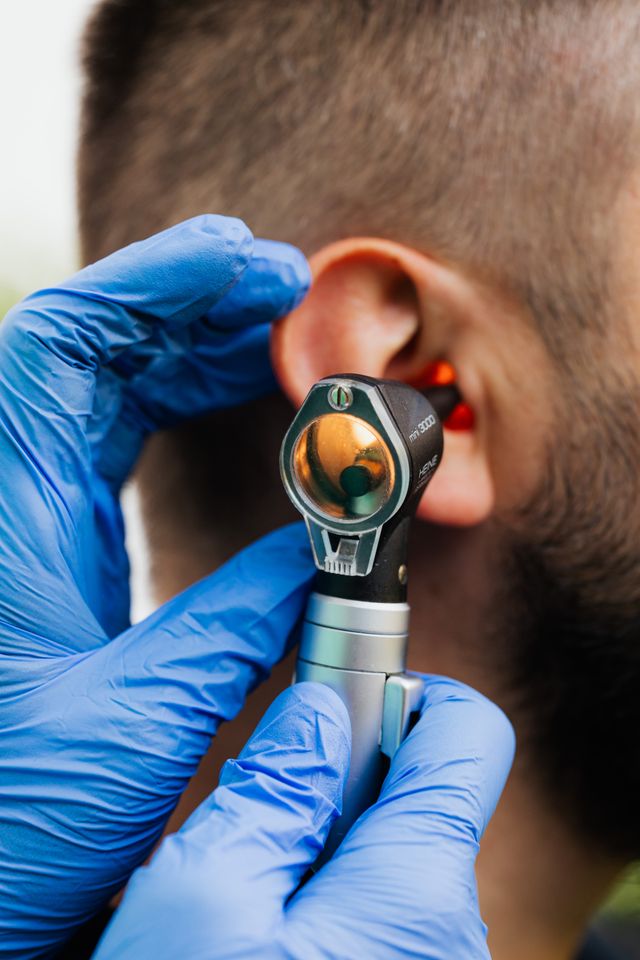
An otoscope allows the physician to inspect the ear canal and eardrum for wax buildup, infection, inflammation, or structural abnormalities.
Pure-Tone Audiometry
Pure-tone audiometry measures the softest sounds a patient can hear at different frequencies. The results are displayed on an audiogram, which helps determine the degree and pattern of hearing loss.
Speech Audiometry
Speech testing evaluates how well a patient can hear and understand spoken words. This information is especially useful when determining how hearing difficulties affect everyday communication.
Tympanometry and Middle Ear Testing
Tympanometry evaluates how the eardrum responds to changes in air pressure. It can help identify middle ear fluid, eardrum abnormalities, and certain problems involving the middle ear structures.
Additional tests or imaging studies may be recommended when hearing loss is asymmetric, unexplained, or accompanied by other concerning symptoms.

Modern Hearing Loss Treatments Available in NYC
Advances in medical technology have expanded the treatment options available to patients with hearing impairment. The best approach depends on the type and severity of hearing loss, the patient’s lifestyle, and whether an underlying medical condition is present.
1. Digital Hearing Aids
Modern digital hearing aids are significantly more sophisticated than earlier generations of hearing devices. Many models use advanced sound processing to amplify speech while reducing certain types of background noise.
Current hearing aid technology may include:
- Automatic adjustments for different listening environments
- Directional microphones that help focus on speech
- Bluetooth connectivity for smartphones and other devices
- Rechargeable batteries
- Feedback reduction technology
- Features designed to assist patients who also experience tinnitus
Hearing aids are available in several styles, including behind-the-ear, receiver-in-canal, and in-the-ear models. A hearing care professional can recommend an appropriate device based on the patient’s hearing test results and individual needs.
2. Cochlear Implants
Cochlear implants may be considered for patients with severe to profound sensorineural hearing loss who receive insufficient benefit from appropriately fitted hearing aids.
Unlike traditional hearing aids, which amplify sound, cochlear implants electrically stimulate the auditory nerve through an implanted electrode system.
Candidates undergo specialized evaluations to determine whether cochlear implantation is appropriate. Surgery and rehabilitation are typically coordinated through a dedicated cochlear implant program.
3. Bone Conduction Hearing Devices
Bone conduction hearing systems transmit sound vibrations through the skull to the inner ear, bypassing certain problems involving the outer or middle ear.
These devices may benefit selected patients with conductive hearing loss, mixed hearing loss, or single-sided deafness.
Both non-surgical and implantable options exist, depending on the patient’s condition and hearing needs.
4. Medical Treatment for Ear Infections and Fluid Buildup
Not all hearing loss requires hearing aids. Some patients experience temporary or persistent conductive hearing loss because of infections, inflammation, or fluid accumulation in the middle ear.
Treatment depends on the diagnosis and may involve observation, medication, or procedures to improve middle ear ventilation.
For patients with persistent middle ear fluid or recurring infections, tympanostomy tubes may be considered in appropriate circumstances.
5. Earwax Removal and Treatment of Blockages
Impacted earwax is a common and potentially reversible cause of hearing difficulties.
An ENT specialist can safely remove obstructive earwax using appropriate instruments, suction, or other professional techniques.
Patients should avoid inserting cotton swabs or other objects deep into the ear canal because these can push wax farther inward or damage the eardrum.
Sudden Hearing Loss: When Immediate Treatment Is Necessary
Sudden hearing loss is a medical concern that requires prompt attention. Sudden sensorineural hearing loss can develop over several hours or within a few days, often affecting only one ear.
Some patients notice a sudden reduction in hearing when they wake up. Others experience ear fullness, tinnitus, or dizziness.
Because sudden sensorineural hearing loss may respond to time-sensitive treatment, patients should seek urgent medical evaluation rather than waiting for symptoms to resolve.
Corticosteroid treatment may be recommended when appropriate, and early assessment is important for determining the best course of care.
Sudden hearing loss should never automatically be attributed to earwax, allergies, or a sinus infection without a medical examination.
Hearing Loss and Tinnitus: Understanding the Connection
Many patients with hearing loss also experience tinnitus, commonly described as ringing, buzzing, or hissing in the ears.
Tinnitus frequently accompanies damage to the auditory system, although it can also occur in people with otherwise normal hearing tests.
For patients with both conditions, properly fitted hearing aids may improve awareness of environmental sounds and reduce the prominence of tinnitus.
Other management strategies may include sound enrichment, counseling, and cognitive behavioral therapy for patients whose tinnitus significantly affects sleep, concentration, or emotional well-being.
A comprehensive hearing evaluation helps determine which treatment approaches may be most beneficial.
Protecting Your Hearing in New York City
Noise-induced hearing loss is an important concern for people who regularly encounter loud environments. Construction workers, musicians, commuters, restaurant employees, and concertgoers may experience repeated exposure to potentially harmful sound levels.
Protective measures include:
- Wearing properly fitted earplugs or hearing protection in loud environments
- Keeping headphone and earbud volume at moderate levels
- Taking listening breaks during prolonged noise exposure
- Increasing distance from loudspeakers and other intense sound sources
- Scheduling hearing evaluations when changes in hearing become noticeable
Hearing damage from excessive noise exposure is often permanent. Taking preventive steps can help preserve hearing function over time.
Why Choose an ENT Specialist for Hearing Loss Treatment?
An ENT specialist is uniquely qualified to evaluate medical conditions affecting the outer, middle, and inner ear. While audiologists specialize in hearing assessments and rehabilitation, ENT physicians can diagnose and manage underlying diseases and structural problems that may contribute to hearing impairment.
This distinction is particularly important when hearing loss develops suddenly, affects only one ear, occurs alongside dizziness, or involves persistent ear pain or drainage.
A coordinated approach between ENT physicians and hearing care professionals helps patients receive appropriate medical treatment and hearing rehabilitation.
For NYC patients, the goal is not simply to make sounds louder. Effective hearing loss treatment should improve speech understanding, communication, confidence, and everyday functioning.
Expert Hearing Loss Evaluation and Treatment in Manhattan
Hearing difficulties can affect professional relationships, social activities, family communication, and overall independence. Fortunately, modern diagnostic tools and treatment technologies offer meaningful options for patients experiencing many different forms of hearing impairment.
Dr. Michael Burnett at Ear, Nose & Throat of New York provides evaluations for hearing loss and related ear conditions, helping patients identify possible causes and understand their treatment options.
Whether hearing difficulties are associated with aging, noise exposure, ear infections, tinnitus, or another medical condition, an individualized evaluation is the first step toward finding an appropriate solution.
If you have noticed changes in your hearing or are having difficulty understanding conversations, contact Ear, Nose & Throat of New York to schedule an appointment with Dr. Michael Burnett. Early evaluation can help identify treatable conditions, protect remaining hearing, and guide you toward modern hearing solutions that support better communication and quality of life.
Ear, Nose & Throat of New York
Michael C. Burnett, MD
115 East 57th Street Suite 600 New York, NY 10022
212-867-4813
https://earnosethroatofnewyork.com/