 Seasonal allergies are a major concern for many residents of New York City. Between the city’s high pollen counts, dense population, and environmental pollutants, allergy symptoms can become overwhelming during certain times of the year. Sneezing, congestion, itchy eyes, and sinus pressure can interfere with work, sleep, and daily activities. Fortunately, there are several highly effective treatments and strategies available to help manage seasonal allergies and improve quality of life.
Understanding the best solutions for seasonal allergies in New York City begins with identifying the triggers responsible for your symptoms and implementing a personalized treatment plan. ENT specialists like Dr. Michael Burnett at Ear, Nose & Throat of New York provide comprehensive allergy care designed to help patients find lasting relief.
Common Seasonal Allergy Triggers in NYC
Seasonal allergies occur when the immune system overreacts to airborne allergens that appear during specific times of the year. In New York City, the most common seasonal allergens include:
- Tree pollen: Often peaks in early spring from trees such as oak, maple, and birch.
- Grass pollen: Typically most active in late spring and early summer.
- Ragweed pollen: A major trigger during late summer and fall.
- Mold spores: Thrive in damp environments and can circulate in the air during humid months.
Urban pollution can also worsen allergy symptoms by irritating the respiratory system and making individuals more sensitive to allergens.
Symptoms of Seasonal Allergies
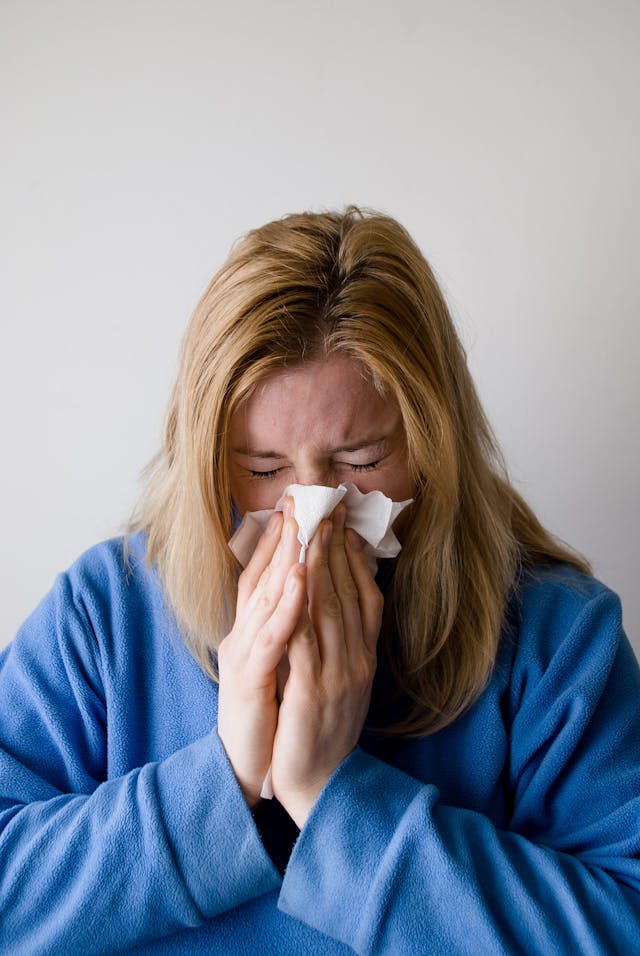
Allergy symptoms may vary from mild irritation to more severe discomfort. Common symptoms include:
- Sneezing and runny nose
- Nasal congestion
- Itchy or watery eyes
- Postnasal drip
- Sinus pressure or headaches
- Fatigue and difficulty sleeping
For some individuals, seasonal allergies may also trigger asthma symptoms such as wheezing or shortness of breath.
Top Treatments for Seasonal Allergies
Managing seasonal allergies typically involves a combination of medical treatments and lifestyle adjustments. Some of the most effective solutions include:
1. Antihistamines
Antihistamines help block the histamine response responsible for allergy symptoms. Many modern antihistamines are non-drowsy and available over the counter.
- Cetirizine
- Loratadine
- Fexofenadine
These medications can significantly reduce sneezing, itching, and runny nose symptoms.
2. Nasal Corticosteroid Sprays
Nasal sprays containing corticosteroids are among the most effective treatments for nasal allergy symptoms. They work by reducing inflammation inside the nasal passages.
- Fluticasone
- Mometasone
- Budesonide
Regular use can help relieve congestion, nasal itching, and sinus pressure.
3. Decongestants
Decongestants reduce swelling in nasal tissues and help open airways for easier breathing. These medications may be taken orally or used as nasal sprays.
However, nasal decongestant sprays should only be used for short periods to avoid rebound congestion.
4. Saline Nasal Irrigation
Saline rinses help flush allergens, dust, and mucus from the nasal passages. Many patients use a saline spray, squeeze bottle, or neti pot to cleanse the nasal passages daily during allergy season.
This natural approach can reduce congestion and improve breathing without medication side effects.
5. Allergy Immunotherapy
For patients with severe or persistent seasonal allergies, allergy immunotherapy may provide long-term relief. This treatment gradually exposes the immune system to small amounts of allergens so the body becomes less sensitive over time.
Options include:
- Allergy shots
- Sublingual allergy drops or tablets
Immunotherapy is often recommended for patients whose symptoms are not adequately controlled with medications alone.
Reducing Allergen Exposure in NYC
While medications are helpful, minimizing exposure to allergens is also important. New York City residents can reduce allergy symptoms by following simple strategies:
- Monitor daily pollen forecasts and limit outdoor activity during peak pollen times.
- Keep windows closed during high pollen seasons.
- Use HEPA air filters in homes and bedrooms.
- Shower and change clothes after spending time outdoors.
- Clean bedding frequently to remove pollen and dust.
Combining these environmental strategies with medical treatment can significantly improve symptom control.
When to See an ENT Specialist
If seasonal allergy symptoms become severe, persistent, or lead to chronic sinus infections, it is important to seek professional care. An ENT specialist can perform allergy testing to identify specific triggers and develop a targeted treatment plan.
Patients should consider seeing an ENT if they experience:
- Allergy symptoms lasting longer than several weeks
- Frequent sinus infections
- Difficulty breathing through the nose
- Symptoms that interfere with sleep or daily life
- Poor response to over-the-counter allergy medications
Expert Allergy Care in New York City
Seasonal allergies can be frustrating, but effective treatment options are available. With proper diagnosis and personalized care, patients can enjoy significant relief from symptoms and prevent long-term complications.
Dr. Michael Burnett and the team at Ear, Nose & Throat of New York provide comprehensive allergy evaluation, advanced treatment options, and individualized care for patients suffering from seasonal allergies throughout New York City.
Ear, Nose & Throat of New York
Michael C. Burnett, MD
115 East 57th Street Suite 600
New York, NY 10022
 212-867-4813
 https://earnosethroatofnewyork.com/